2

How long should pets be kept out of the house after it has been sprayed inside and outside for carpenter ants?

This will really vary based mostly on the type of product being used. If you review our CARPENTER ANT CONTROL ARTICLE, you'll see we feature liquid concentrates, dusts, aerosols, baits and granules. Virtually all of these can be used inside or outside the home but the real important question to answer is how long should pet owners wait before they let their pets back into the treated area if any of these are used? Here are some "short" answers which should be used as a guideline. Be aware that even these suggestions can fluctuate depending on the specific product being used, where it's being used and the local weather conditions. And don't forget pets with special needs or health issues which take precedence over all else. With this understood, here are some general rules to follow that will cover most applications.

1) Liquid treatments. For anything being sprayed inside or outside the home (and this includes herbicides, fertilizers and other sprays besides just insecticides), the best answer is "until the treatment dries". Keep in mind the time required for them to dry can vary dramatically depending mostly on where you're spraying and the conditions present when you spray. For example, spraying the rug for fleas usually means a lot of spray and a high chance of people and pets coming in contact with the treatment. It's very important these areas are allowed to fully dry which in some cases will take  several hours if not the whole day. Not only is it important from a safety point of view to keep people and pets off this application but it's also important so that the treatment gets a chance to work as well as it can on the target pest.

Conversely, if you were were spraying the foundation of the home only on the outside of the house and it was nice and dry outside with little humidity during and after the treatment, the application should dry quickly. In these cases most people and pets can come back to the area in as little as an hour. Remember too that most people and pets won't be touching the foundation so in this case the chance of pesticide exposure is much less compared to spraying carpeting where everyone is walking.

2) Dusts. When dusting insect nests, wall voids, attics and other spaces, the area being treated is mostly away from where pets and people should be. For this reason there is generally no wait time following the application. The only guideline here is to make sure kids and pets are away prior to and during the actual application and any cleanup. Other than that there shouldn't be any reason to keep them away for an extended period of time.

3) Aerosols. These products tend to get airborne so in general only the person doing the treatment should be present during the treatment and for some time afterward. Just how long will vary but in some cases airing out the area is suggested; in other cases it's a matter of what the label states. As a general rule a good 3-6 hours is usually enough time to wait but this is one that can vary a lot so be sure and take into consideration the type of treatment involved along with the product being used and the area being treated. Many times the label of these products will have more guidelines specific for the active ingredient being applied.

4) Baits. In general, no time is needed following applications. That's because applications should be made where people and pets won't have access. In other words, you should try to make placements above where pets can find the bait and where children can't reach them.

5) Granules. In general, very little wait time following the application unless you plan on watering them in. For those situations, waiting till the yard dries is suggested.

So to answer your question more directly, if you just "sprayed" the outside foundation of the home with a liquid, it will probably take 30 minutes or less to dry and to allow pets and kids back into the area. Inside the home will depend on whether you "sprayed" just the baseboard or the carpeting too which can cause a normal wait time of 1-2 hours become 4-8 hours.

As always, consult the label of the product you're applying to make sure there are no "special" guidelines or requirements for the product being used. Also, we STRONGLY watching our SAFETY VIDEOS which cover all you'd need to know on this subject matter.

Here are direct links to the information and products listed above:

Carpenter Ant Control Article:  http://www.carpenterants.com/carpenter-ant-control

Safety Videos:  http://www.carpenterants.com/product-safety

Filed under pet safety by  #

0

I have large black ants all of a sudden in my house. In my daughter upstairs room and even in kitchen dishwasher. Do you think they are possibly carpenter ants? There were about 50 in the dishwasher yesterday. Not sure what approach to  take since i only see inside. Thank you..

First and foremost – DO NOT SPRAY ANYTHING INSIDE THE DISHWASTER! Some people will do this which can make the dishwasher smell for extended periods of time. Running the dishwasher through a cleaning cycle will get rid of the pesticide but the smell can linger. This alone can make the unit unusable so DO NOT SPRAY INSIDE. We recently had someone contact us after they did so using a smelly "off the shelf" spray they bought at their local home center store. In most all cases, ants in the dishwasher are there for one of two reasons. Either they're seeking water due to local dry, hot weather or they're seeking food. Many people commonly store dirty plates, pans, silverware, etc. in their dishwasher for more than one day. If you tend to accumulate dirty dishes for several days before running them through a wash cycle, you're asking for trouble. No doubt there will be some kind of insect lured to the smell and one of the most common insects that will sniff out these dirty dishes are ants.

Now that you know what "not" to do, just what can be done for an ant problem like this? The first thing you should do is read through our CARPENTER ANT CONTROL article. One thing we explain in our article is how this ant will generally forage great distances to harvest food or water. It's not uncommon for carpenter ants to forage from one property to another. In your case, the ants you're seeing aren't necessarily living on your home or even on your property. But regardless, you should attempt to locate the nest as our article explains. By finding and treating the nest directly, you'll surely get the fastest and most complete control of the problem. Our article provides a video and lots of great information on how to locate a nest and it's best to try this at first.

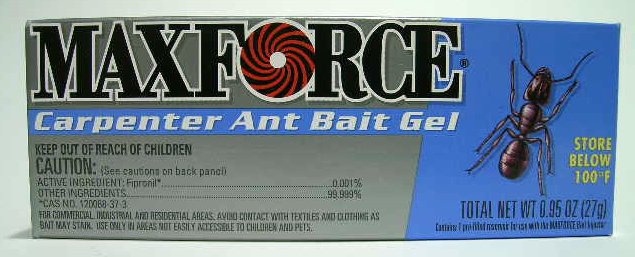
Now if you're not able to track the ants back to any one nest location and after a day or two of watching them you find you are still confused as to where they might be coming from, you still have treatment options. The simplest thing to do would be to set out some CARPENTER ANT GEL. This slow working bait has proven to be very effective on carpenter ants as explained on our product page. Make placements anywhere you see the ants and they'll readily forage to it within a few days.

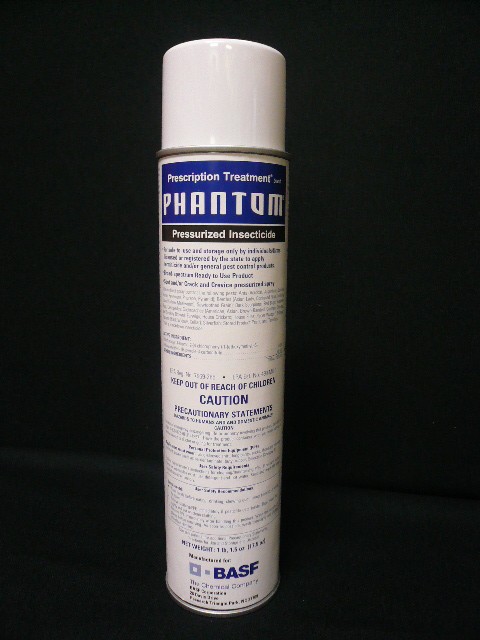
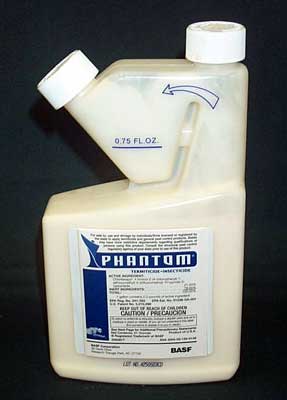
Alternatively you can spray some PHANTOM LIQUID around the outside of the building on the foundation and other routes of entry. This treatment will effectively be putting a barrier in place that will affect any ants coming in from outside. You can spray inside as well focusing in on baseboards but since the liquid can be a little hard to use inside, we recommend the PHANTOM AEROSOL over the liquid. It goes on dry and invisible making it ideally suited for inside applications.

Phantom is slow acting and lasts at least a month when applied. It's unique active won't kick in for several days after the ants have picked up a lethal dose. By the time they realize what's happened it will be too late and in most cases all the nests will be shut down and destroyed. This will take 1-2 weeks to complete but it's highly effective and a good choice.

Here are direct links to the information and products listed above:

Carpenter Ant Control:  http://www.carpenterants.com/carpenter-ant-control

Carpenter Ant Gel:  http://www.bugspray.com/catalog/products/page560.html

Phantom:  http://www.bugspray.com/item/phantom_insecticide.html

Phantom Aerosol:  http://www.bugspray.com/item/phantom_aerosol.html

Filed under how to treat by  #

0

About a month ago I noticed a line of ants marching into my home through a basement window area.  We managed to locate a nest outside and took care of it, but there were ants crawling around my house by then- usually at night, but they would come out during the day sometimes too.  Anyway, we sprayed inside and out, and saw many dead ants in our home a few days later. However, I still see several ants each day.  Does that mean they are still nesting in our home, or are they a remnant, or are they coming in from outside?  Yuck, how do I get rid of the rest of them?

If you read through our CARPENTER ANT CONTROL ARTICLE, you'll learn this species of ant will make many nests which are all "linked" via a complex web of scent trails. Finding one nest and destroying it will never solve the problem; the related nests which are very much a part of colony will simply use the pre existing scent trails to continue foraging. In most cases you'll continue seeing ants as if you never killed any nest once they start using the old scent trails and repopulate the area.

To get control and kill off all the nests, you'll need to use some of the professional grade products we have listed in our article. In situations like this, a combination of spray for the outside, spray for the inside and bait for the inside will usually do the job. Lets start on the inside.

Anywhere you've seen activity inside the home you place some CARPENTER ANT GEL out. In most cases this product will be readily consumed and shared by the other ants still alive. In a few days the gel will make it's way into different nests and when it kicks into gear (which only happens after it's been consumed and digested), the net impact of them feeding on it can be devastating since it will be too late for them to realize what has happened and change anything they're doing.

To insure you get all the ants foraging inside the home, you should also spray all the cracks and crevices where you don't apply the gel with some PHANTOM AEROSOL. This odorless and slow action residual will work much the same way as the gel. It's impossible for them to detect and by the time it starts to work, the ants will have infected their nests and it will be too late. This is a key part of the process as it will insure any ants still living that are away from the gel infected nests will be controlled as they forage around looking to establish new nests.

Lastly, spraying the outside with some TERMIDOR will do the same thing as the Phantom on the inside. Be sure to treat the perimeter of the home so that any ants trying to get in will no doubt be affected. And as you'll learn in our article, since this ant will forage several hundred feet, it will commonly come from other property so the outside treatment will be paramount if you wish to stop these long reaching invaders.

In summary, it's important to understand carpenter ants don't rely on just one nest when they build a colony. Instead they make several nests, maybe 4-8, and these all work hand in hand to both support and nourish one another. This is exactly the reason why a direct treatment approach will many times fail; the surviving nests will just re establish themselves and the problem will persist. But treating the inside and the outside thoroughly with slow working products that take 4-7 days to fully work has proven most effective on this species of ant. This "blanket" approach insures you get product into all the satellite nests at the same time so that when the active ingredients kick in and begin to their job, it's too late for the carpenter ants to do anything about it. When done properly, the net result will be all the nests shutting down and the problem will be gone.

Here are direct links to the information and products listed above:

Carpenter Ant Article:  http://www.carpenterants.com/carpenter-ant-control

Carpenter Ant Gel:  http://www.bugspray.com/catalog/products/page560.html

Phantom Aerosol:  http://www.bugspray.com/item/phantom_aerosol.html

Termidor:  http://www.bugspray.com/item/termidor_sc.html

Filed under how to get rid of by  #

0

We have hundreds of ants in our trees that are leaving like a saw dust material all over along the tree and on the ground.  Am able to see huge holes higher on the tree where we are seeing the ant trails go.  What type of ants are they and what can we do to get arid of them.  Looks like they are killing our 30 plus yr old trees.  Limbs are starting to fall with fear that the main trunk may go soon.  What to do? HELP

There are many kinds of ants which will readily infest unprotected trees. Most will forage on trees feeding on smaller insects like aphids, whiteflies and mealybugs. But some are wood destroying ants like the Carpenter and Acrobat species. These ants will usually target older trees or trees that are diseased, deformed, damaged or vulnerable for one reason or another. If left to nest as they wish, the constant drilling and chewing will no doubt bring the end of the trees life much earlier than normal.

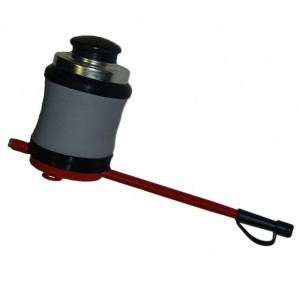
Treating the tree with a liquid spray is usually the most direct way to take care of the problem. One of the best products for this treatment is the BIFEN CONCENTRATE. Odorless, easy to use and because it demonstrates no phytotoxicity to plants, it should be broadcast onto the trunk of the tree where you see activity. Most any sprayer will do the job but if you don't have one that can reach high enough, the TROMBONE SPRAYER is perfect for most applications since it can reach so high. Treat every two weeks till you no longer see activity. Retreat during the summer to insure none return. In general, you should get 1-2 months of protection when treating for maintenance (no activity is present). But when ants are active, apply some more frequently till the nests are destroyed.

Here are direct links to the information and products listed above:

Bifen Concentrate:  http://www.bugspray.com/item/bifen_it.html

Trombone Sprayer:  http://www.gotosprayer.com/sprayers/pump-sprayers/trombone-pump

Filed under how to treat by  #

0

I have carpenter ants in my bedroom.  How can I get rid of them?

I suggest you first review our CARPENTER ANT CONTROL ARTICLE which details all you need to know about this destructive pest. As you'll learn in the article, activity in the home means there is a nest close by. You'll also learn they tend to have several nests all working within a "network". These satellite nests can be located on the home, in the yard or even on someone else's home. Treatment will vary depending on whether you know where any nests are located and in general, it's always best to directly nests when possible. This will insure a quick kill. Alternatively, using the bait gel and longer acting sprays will work but these products take some time to work.

I also suggest you review our video's. The one about "how to locate the nest" is especially helpful if you don't have a clue where it might be located. Again, if you are fortunate enough to see where you think they might be nesting, a direct treatment with the DRIONE will yield fast results. But if you aren't able to find any nests but do see them active in several locations, you can opt to use the slower working CARPENTER ANT GEL combined with the PHANTOM AEROSOL (for inside the home) and the TERMIDOR (for outside on the home). This trio of products will no doubt get any type of ant which chooses to remain active on treated surfaces and is definitely a viable option.

Here are direct links for the information and products mentioned above:

Carpenter Ant Control Article:  http://www.carpenterants.com/carpenter-ant-control

Drione:  http://www.bugspray.com/catalog/products/page91.html

Carpenter Ant Gel:  http://www.bugspray.com/catalog/products/page560.html

Phantom Aerosol:  http://www.bugspray.com/item/phantom_aerosol.html

Termidor:  http://www.bugspray.com/item/termidor_sc.html

Filed under how to get rid of by  #

2

How do you get these ants out of the underside of a hot tub.  It's up on blocks right now, and I know they are eating through the foam insulation because there are little chips of it in piles under it.

No doubt carpenter ants (and several other species like acrobat ants, fireants and some others) love foam and moisture. Put the two together and then move the piece outside and it's only a matter of time before you have some type of an insect problem. Having dealt with similar problems over the years, I have learned that the direct approach of dusting with the DRIONE DUST featured in our CARPENTER ANT CONTROL ARTICLE is by far the best approach. It will knock them out on the spot and the problem will be solved. In most cases I've been able to use one of the HAND DUSTERS we have to get the dust where it was needed. Sometimes I've been able to crawl in through a maintenance hatch to access the main nest site; other times I've had to reach blindly to make the application. The Drione is like smoke so it will float around and get good coverage even if you aren't sure you hit the spot dead on.

Alternatively, if you're not able to get close enough to where you think they are nesting, you could opt to spray the area down with the PT-PHANTOM AEROSOL. This product works well on most any ant as it's slow acting and doesn't "spook" them like other sprays. The way it works is that the ants will walk over treated surfaces and as they do, they'll be picking up trace amounts which will be brought back to their nest and "shared" with the other ants. The net result will be the whole nest will be killed when the active finally kicks in and starts to work. This is usually in 3-5 days after you treat.

One other thing. In cases like this I like to take a mirror and place it on the ground just under the tub so I can look at the reflection of the bottom side. I like to do this before I start plodding around and spooking them. Many times watching them this way will reveal the exact location where you'll need to direct your treatment so it's worth the effort.

Here are direct links to the products and information mentioned above:

Drione Dust:  http://www.bugspray.com/catalog/products/page91.html

Carpenter Ant Article:  http://www.carpenterants.com/carpenter-ant-control

Hand Dusters:  http://www.gotosprayer.com/dusters/hand-dusters

PT-Phantom:  http://www.bugspray.com/item/phantom_aerosol.html

Filed under how to treat by  #

0

Hi, my friends have carpenter ants in their new home and have had it treated by Orkin.  We just took a leather couch from their house and it is sitting in our garage.  Are we ok to move that couch in to our house or might it have carpenter ants?  What can we do to be sure we do not move them in to our house?

Carpenter ants are generally larger than most other ants. They're also skittish and can sense people and other threatening situations. When threatened, they tend to protect their nest and will many times avoid leading predators to their door. If the couch you have in your garage had any ants on it or nesting in it, there is no doubt you would have seen ant activity either during the moving of it from the house to the transport vehicle or when taking it off the vehicle and bringing it inside your garage. You don't say if you observed seeing any ants on the couch at any time but I'm guessing if you did, the couch would have quickly been taken off your property based on your line of questions above. If my guess is right, then if you haven't seen any ants on the couch thus far, it's safe to assume it's ant free.

At this time I suggest you take a little time to review our CARPENTER ANT CONTROL ARTICLE which gets into great detail most everything you'd need to know about this ant which could prove helpful for future reference. Carpenter Ants can cover a lot of ground, chew through most any wood and will bite if antagonized. Undoubtedly a major pest problem throughout the world, carpenter ants are like termites in that most people fear them but and are also seemingly content not to learn about them. This is a mistake and something you should avoid. Learning about this pest can really help if you are ever faced with an actual infestation and need to take a pro active course of correction. If nothing else, our article will serve to better educate and prepare you for making a hiring decision if you decide to get a pest control company to handle some future problem.

This article can be found here:

Carpenter Ant Control:  http://www.carpenterants.com/carpenter-ant-control

Filed under leather couch by  #

0

Hi, we recently found sawdust in our closet. So after researching we put and "puffed" boric acid around. Now they are running all over the house. What did we do? And how can we stop it now?

I wished you had read our article before you treated. When you know where these ants are centered, the only dust that should be used on them is something like PYGANIC. It's fast acting and won't allow them to relocate like it sounds like might be happening now. Boric acid is a stomach poison and won't do a good job on this ant unless they ingest it so for now, I expect you'll be seeing ants for some time. Your dusting most likely disturbed them but it doesn't sound like it was enough of a direct hit to knock them out. If you are lucky, enough of the dust will have made it's way to the heart of the original nest and may at least cause them to suffer severe losses. This could lead to their ultimate demise. If not, they will at least attempt to relocate and if they have enough supplies and members left in their colony, they could very well establish a new nest. Only time will tell.

For now, the only thing I'd suggest to do is set out some CARPENTER ANT GEL. Foraging ants will need food so make small placements in any room where you see activity. Chances are high some will accept the offering. Once they feed and return to the old or new nest (if either exists), the ant which fed will in time contaminate other members of the colony and eventually kill it. Other than the bait, there really isn't anything you can do. (And don't kill any ants you see; if you place out the bait the more ants foraging the faster the nest will be shut down…)

Filed under inside by  #

0

Hello,

We have discovered an infestation of carpenter ants in our decking outside (which we plan to remove).  I would like to order Termidor, but would like some instructions on use.  Can we use a regular sprayer?  How should it be applied?

Carpenter ants will readily forage onto anything that has wood including homes, garages, trees and most certainly decks. Since they can travel far as explained in our CARPENTER ANT CONTROL article, the nest may not even be located on your property. Still, allowing these ants to forage on the deck would be a mistake. Our advice is always the same when it comes to this ant.

First, do a good inspection of the premises to see if there is a nest anywhere close. The video we have featured in the article that explains how to track their trails to a nest should prove to be very helpful in accomplishing this task. If any nests are found, treat them with the PYGANIC or DRIONE dust for quick and immediate control.

Second, whether you find a nest or not, the turf around the home should be treated with the CARPENTER ANT GRANULES. This bait will be found and fed upon by any foraging onto your property and can do a great job of reducing this activity. Remember, ants foraging on your property is essential for them to create a new nest. Interrupt this behavior and you interrupt their ability to establish nests.

Third, spray the house with something like the TERMIDOR using a good PUMP SPRAYER. This material can be applied to the foundation as well as the decking and once the ants walk over it, the nest will be shut down within a few days regardless of where it might be located. All it takes is one ant coming in contact with the Termidor and impact will be devastating to the colony.

In summary, you could attempt to use just the Termidor to solve this problem but many times there are more than just one colony active in any one area. That means foraging ants in your turf could start new colonies if you don't apply the granules so don't neglect this important step.

Filed under infestation by  #

0

I started building a tree house in a walnut tree this weekend and noticed large black and red ants all over the tree…what do you recommend?  I have some ant gel I bought from last time I was in town, although it was for use in the kitchen.

The CARPENTER ANT GEL wouldn't be the best option for this kind of problem. It doesn't do well outside since it's vulnerable to both the heat of summer as well as non-target insects. Honey dew based baits don't do well in extreme heat and they tend to attract many types of insects.  Additionally, there is most likely several ant nests involved here so you need something that will handle multiple nests without you having to know where any of them reside.

For this type of problem, clearly the TERMIDOR listed in our CARPENTER ANT ARTICLE is best suited. I have used it successfully on several trees around my property and in each case it did the job nicely. Because of it's slow action, you will be able to affect all the nests which have ants active on the surfaces you treat – even ant species other than carpenter ants. I recommend treating the tree trunk, tree limbs and as much of the tree house that is practical to treat. I might also consider treating around your house if this tree is in close proximity of it or any other important structure since carpenter ants typically forage great distances. Failure to have a good protective barrier in place will allow them to set up shop elsewhere if other active areas are ignored.

Filed under tree house by  #

2

I've been seeing carpenter ants around my house and I'm pretty sure I have some kind of infestation. I just have no idea where this might be. Is there anything I should do? I see 5-10 walking around all the time but they don't seem to be going any place. Where is there nest? What can I do?

As explained in our CARPENTER ANT CONTROL article, these ants do nothing but forage around all day looking for food and working on their nests. I suggest you read the article which will provide a lot of insight to this ant as well as some practical things you can do to minimize this activity. I do suspect there is a nest either on the home or close by based on how much activity you said you see. But I have seen where they could be this active and still be living off the property.

As you'll learn in our article, there is usually a few things needed to control most infestations. And in most cases, knowing where their nest is located can be a big help in getting a quick resolution to the problem. That being said, your activity can best be controlled by baiting and spraying. Apply some MAXFORCE GRANULES to the yard which should cut down on the foraging. Next, spray the foundation with the TERMIDOR CONCENTRATE. This will provide much needed protection in case they are currently accessing the home in some location you cannot see. The way Termidor works, you'll be able to effectively control any nest on or in the home whether you know where it exists or not. Lastly, if you start seeing any inside the home, use the PHANTOM AEROSOL. It works like the Termidor and can solve problems even when you don't know where the nest is located.

Here are direct links to the information and products listed above:

Carpenter Ant Control:  http://www.carpenterants.com/carpenter-ant-control

Maxforce Granules:  http://www.bugspraycart.com/bait/granule/maxforce-gran

Termidor:  http://www.bugspraycart.com/insecticide/liquid/termidor-sc-20-oz

Phantom:  http://www.bugspraycart.com/insecticide/aerosol/pt-phantom-17-5oz


Filed under carpenter ant by  #

0

I bought some Cypermethrin from you guys about a month ago to handle carpenter ants. That in conjunction with some Drione that I had (thanks for your videos) took care of three nests and all was quiet. The past few days, I am starting to see some adults walking around aimlessly searching near where the nests were. There is no activity in the nests or their entrances. Would these be scouting parties from other nests looking to establish new colonies?

As explained in our CARPENTER ANT CONTROL ARTICLE, most all carpenter ant nests are networked to the surrounding environment. This insures their survival and why it's imperative that all the "satellite" nests in any one network are either directly treated or baited to insure quick and complete control when treating for carpenter ants around your property.

Based on the limited information you provided, it sounds as though there are either stragglers or scout workers coming from missed nests that were part of the original network. If the activity is from stragglers, chances are high they'll die off in a few days and disappear. And though you mention the CYPERMETHRIN and DRIONE DUST being applied, I don't see any mention of bait like our MAXFORCE GRANULES or CARPENTER ANT GRANULES. Either of these should be used around the property to insure complete eradication so that if there is a local network nest in the area, it won't be able to survive. Ants from that nest would undoubtedly forage toward the house as they have been doing in the past except that this time they would find the bait you have applied and die after some was ingested. That's not to say the Cypermethrin won't help control these foraging ants because many times it will. However, networked nests are slow to give up old habits and many times will keep trying and trying to find their old nests till they find their way back through an area where maybe the spray isn't strong enough anymore. Once inside the barrier, they'll attempt to start a new nest.

So in summary, I would say a Bait application outside the spray you've applied would be wise to do. If not, you'll need to keep a close watch on the area to make sure the few ants you're seeing don't start a new nest or worse yet, that they are part of a nest you've missed. Leaving an active nest close to the home is a sure receipe for reinfestation.

Filed under carpenter ant by  #

0

I have a dog and a cat. the cat is mostly inside and the dog goes out in the yard quite a bit. We have been seeing carpenter ants both inside and outside and I'm wondering if you have something organic we can use which won't be a danger to them.

All of the products we have listed in our CARPENTER ANT CONTROL article would be fine to use around any of the pets as well as any people if used properly. Our PRODUCT SAFETY VIDEOS explain most everything you need to do to insure safe treatments are made. That being said, there are some Organic Alternatives you can use in place of the products we have listed that might help feel more at ease.

As you'll learn in the article, there are three main ways to deal with Carpenter Ants. The most direct way is to treat the nest with DRIONE DUST. The organic alternative dust would be DIATOMACEOUS EARTH which will work just about as well. It should be applied with one of the HAND DUSTERS we have listed to get the product uniformly distributed.

The second important part of carpenter ant control is spraying the foundation. Instead of one of the products listed in our article, you can use the organic alternative known as MULTI PURPOSE INSECT KILLER. This product won't last as long as the actives we have listed in our article but it will kill carpenter ants and help keep them out.

Lastly, if you wanted to use some bait, the NIBAN FG would be a good choice which is listed in the Carpenter Ant article. It's on the ORMI LIST which means it's considered safe enough for organic processors so you should be able to

Filed under organic control by  #

0

I have been seeing large carpenter ants around my back deck and want to know how to get rid of them. They are quite strong and hard to kill compared to other ants I've had over the years. It looks like they're living in the yard somewhere because I keep seeing them walking out into the grass but I don't see any mounds or nests. How do I get rid of them?

Carpenter ants can be a real problem once they nest on or in your home. I'm not sure you have a nest in your house just yet and hopefully you don't. Since carpenter ants can cause a lot of damage, they're the one type of ant you never want nesting inside your house.

For starters, I suggest you read through our on line article about CARPENTER ANT CONTROL. There you'll find most of your questions answered about the biology and recommended treatments for this ant. Based on the information you listed above, I think a good foundation spraying with TERMIDOR will keep them out. For the ants that are foraging around in the grass, apply some CARPENTER ANT GRANULES. This food based bait they seem to love and will quickly accept your placements. Once they feed, any nests close by will die and this should insure you don't get new nests on your house.

Filed under carpenter ant by  #

0

I have a lot of big black ants walking up and down a fence post attached to my house. It looks like they're crawling into a joint where two boards meet and there is a lot of sawdust coming out of this joint. I think these ants have done damage to the wood there but before I do anything I'm wondering if I should be prepared to spray something. This joint is only 5 ft from my house and if I don't do anything, I'm sure the ants will get into my house.

Carpenter ant signs include leaving a sawdust or frass which is essentially a by product of all their chewing. As explained in our CARPENTER ANT CONTROL article, they do a good job of chewing through wood but don't in fact eat any of it. Based on your description, it sounds like you have them in this fence and probably at this joint too.

I suggest you get some DRIONE DUST and CYPERMETHRIN. Fill one of our HAND DUSTERS with the Drione and have it alongside you when you take the fence apart so it's ready to use. I'm pretty sure you'll uncover a nest and the Drione will be ideal to use for the treatment. Once you complete the work at that joint, I suggest you dust each of all the other joints you have to insure there aren't any other satellite nests on the fence. The Drione will do a much better job than a liquid spray treatment.

Once the fence has been treated, finish the work by doing a foundation spraying using the Cypermethrin. This will insure straggler ants won't find their way into your home.

Filed under signs of by  #